
Singapore’s Third Spaces (or the Lack Thereof)
By Kylee Tan
Edited by Erin Mae
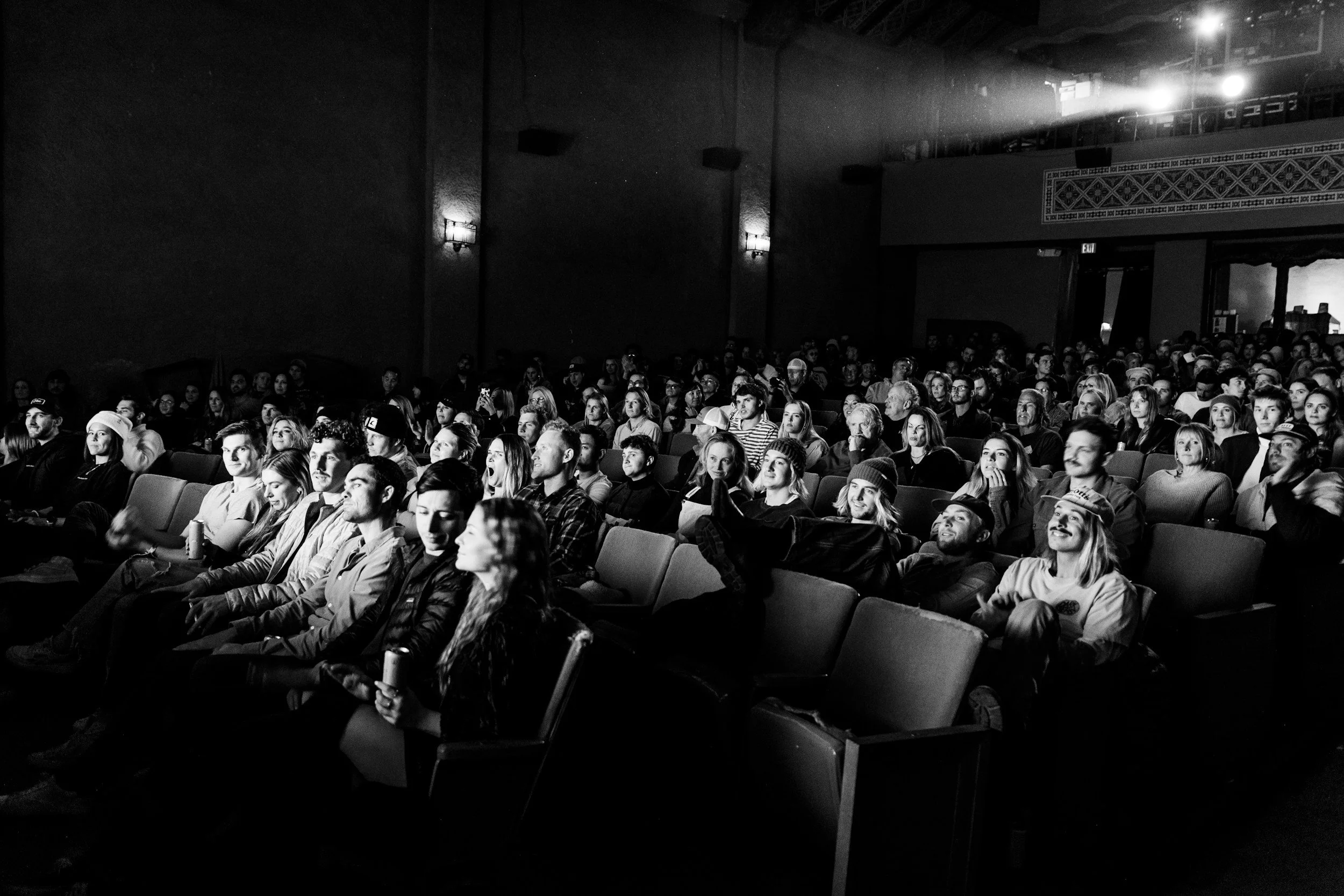
Before the announcement of its closing, who here has visited The Projector?
Neither did I.
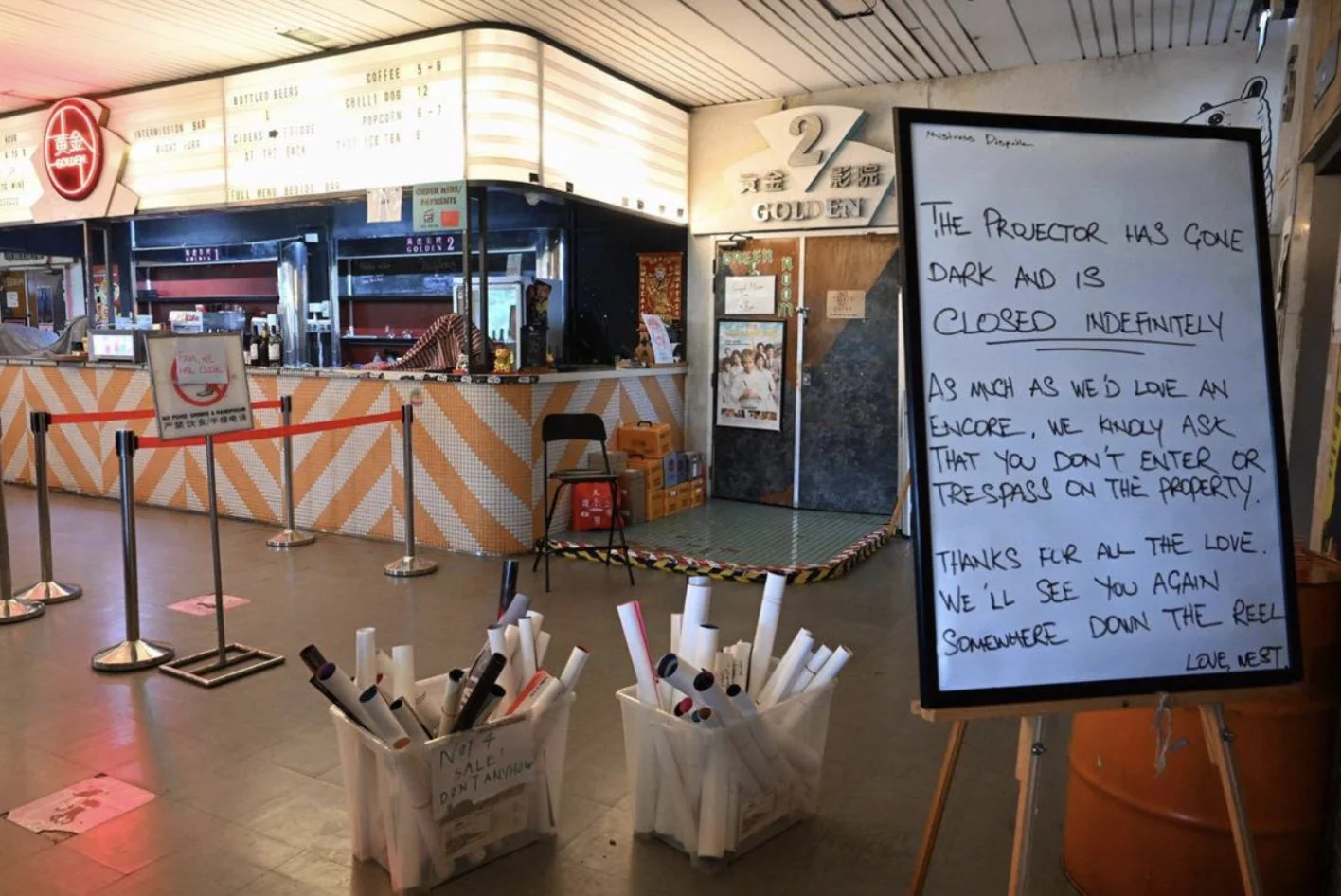
The Projector was an independent, locally-owned cinema. It showcased local films and a curated list of movies, some of which can’t be found on streaming platforms or silver screens. Between hosting film and dialogue events that encouraged customer participation and creating a familiar, indie-themed space that sharply contrasted with the commercial feel of major cinemas, The Projector was, or rather, is a prime example of one of the depleting (or already depleted) ‘third spaces’ in Singapore.
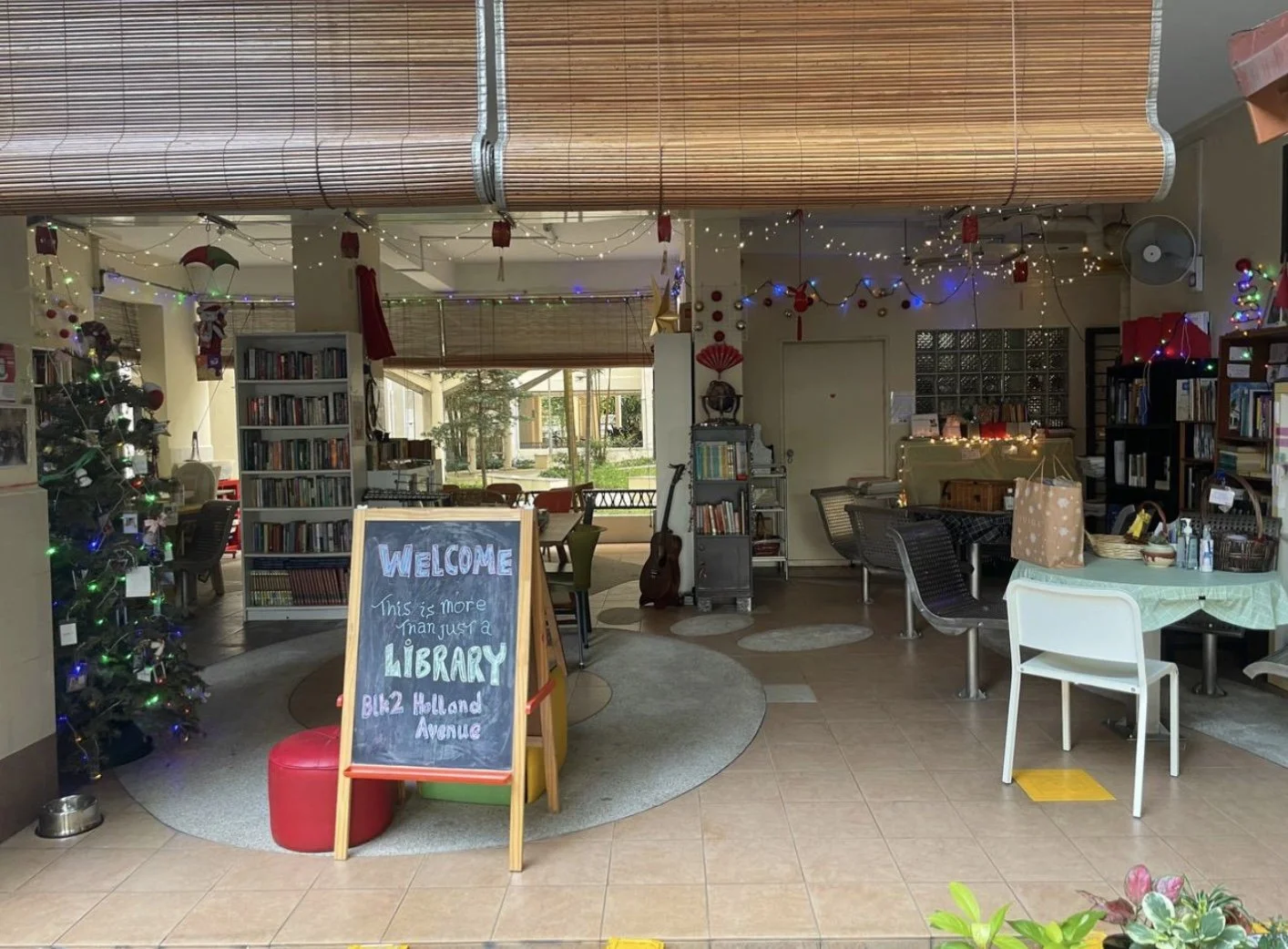
‘Third spaces’ refer to places outside of home, school, or work and offer places of relaxation and social interaction. Although places like shopping centres are also classified as ‘third spaces’, homogenised malls hardly offer the same feelings of intimacy and nostalgia that other locally-owned businesses or common community spaces provide.
In spite of these inimitable qualities, local ‘third spaces’ are still on the decline, and this trend has been accelerating in recent years. ‘Cookie-cutter’ storefronts that boast large names in retail or F&B replace the faces of Holland Village and Tanglin Road, a sharp, aseptic contrast to the memories of Thambi Magazine Store or Steeple’s Deli.
A common denominator I noted in discussions on this topic is that, despite the sentimental merits these places have, the value we unconsciously assign to these places is diminishing. It would sometimes seem that these ‘third spaces’ become increasingly incompatible with the modern landscape, one that is permeating every part of Singapore’s geography, and inevitably pushing ‘third spaces’ out.
According to Guy Debord’s theory of situationism, large, franchised malls and Singapore’s polished civil topography are examples of ‘spectacles’—a social space moulded to serve capitalistic agendas and drains the essence of life with it.
‘But a critique (of the spectacle) that grasps the spectacle’s essential character reveals it to be a visible negation of life — a negation that has taken on a visible form.’
Guy Debord, The Society of the Spectacle (1967)

Characterised as being driven by economic growth and actively driving interpersonal estrangement, Debord claims that manners of communication, such as advertisements and entertainment, are simply a means through which ‘spectacles’ manipulate consumers and alienate them. The alienation comes from removing personal elements in larger contexts and settings and through the streamlining of thought and unquestioned conformance to ‘spectacles’; the alienation is not just from one another, but from distinctive, individual identities.
‘Orthodoxy means not thinking—not needing to think. Orthodoxy is unconsciousness’
George Orwell, 1984 (1949)
This also ties in to Herbert Marcuse’s theory of ‘false needs’, which posits that our decisions or ‘wants’ are not shaped by personal experiences and desires, but are instead a product of external economic and social factors. Except in this case, in alignment with situationism, we are impelled not to value ‘third spaces’ as ‘spectacles’ drive them out under the guise of economic inefficiency and in an effort to increase the reach of ‘spectacles’.
While Singapore malls are not necessarily this dystopic, spatial theory can still probe us to consider how our built environment, including ‘third spaces’, is influenced by our behaviours and how they, in turn, influence us.
Beyond just a change in management or aesthetics, the deterioration of ‘third spaces’ also highlights the cyclical fallacy in modern social settings and its intersection with unassuming consumer patterns.
The unassailability of ‘spectacles’ lies in its congruence with consumption. With the proliferation of advertising, social media, and the unfortunate compulsion for self-comparison, ‘false needs’ are highly relevant in today’s context, as they explain buying patterns and fad culture. Artificial desires are constructed through external pressures, group affinity, or exposure to superfluous options that formulate the prime conditions for increased spending on products or services that may ultimately not meet deeper needs. The neglect of one’s personal desires due to the alienation of their identity parallels the neglect of third spaces that are not ‘spectacular’ enough.
Just as we were influenced by the environment, the environment was also influenced by us. Psychogeography encourages dérive, or to drift. That is, to consciously wander our surroundings and be aware of the nuances of and sentimental, or at least personal, value these spaces hold to contend with alienation. However, the rapid shuttering of local businesses replaced by other global brands deprives us of opportunities to effectively drift if all we may see are depersonalised places, air not heavy, but light in the absence of any weight of memories. Artificial desires are perpetuated in this habitat that does not reject ‘spectacles’.
‘The first stage of the economy’s domination of social life brought about an evident degradation of being into having — human fulfillment was no longer equated with what one was, but with what one possessed.’
Guy Debord, The Society of the Spectacle (1967)
The outcome that Debord warns of is not dissimilar from Ray Bradbury’s in Fahrenheit 451 or Lois Lowry’s The Giver. Fear of a conformist society is a pervasive one, but still, we see the lines between our reality and it blur. Governed by the laws of psychology and economics, it is unrealistic to hope for a paradigmatic change in consumer behaviour, from one that consumes whatever best meets their interests, including patronising major brands, to one that venerates local ‘third spaces’. It is a fact that larger corporations can employ economies of scale to decrease production costs (the ethics of which can be a discussion for another time) and sell products at a cheaper price, critical for ensuring affordability regardless of socio-economic status. Market competition also fuels some extent of job creation and innovation and development, each company’s goal being to meet consumer desires (however superficial) and that in itself also benefits the consumer (to a certain degree). As a consumer, producer, or investor, it is almost impossible to avoid succumbing to the allure of duplicitous capitalistic agendas that have been so deeply ingrained in our society.
Though I’d still implore against pessimism.
Recall the last time you opted for a local business, a family-owned cafe, or your neighbourhood mamak shop over a Starbucks or 7-11. Or a time you wandered around somewhere aimlessly, looking exclusively at your surroundings instead of being preoccupied with other tasks. Perhaps also an incident when a certain place allowed you to make personal connections and memories, enticing you to return because of the intrinsic value these memories held (I have a personal example. Unfortunately, in line with the subject of this essay, that place has also permanently shut). These were all instances of embracing ‘third spaces’ or engaging in drifting without having to compromise much of our busy schedules.
Reflecting again on the discussions of this topic I mentioned earlier, it would appear that the problem is not us not (adequately) value these ‘third spaces’, but that regardless of how much we value these spaces, we do not usually (at no fault of our own) actively support these ‘third spaces’.
While we likely will never be able to reopen the ‘third spaces’ that now live only in our memories, we often have sufficient autonomy to occasionally resist the entrapment of conglomerates or engineered environments. Those with the financial capacity can choose to increase their patronage of local businesses, or maybe your next meet-up with friends, partners, or families could be at a ‘third space’ instead of a major mall. No matter the method, a conscious effort to support our Singaporean ‘third spaces’ not just helps augment unique community identities, but also urges us to change our surroundings, appreciate them, and form a deeper understanding of our neighbourhoods and ourselves.
It may sometimes require time and effort to seek out appropriate ‘third spaces’ or the courage to venture beyond the comfort of the familiarity of the same shopping centres or streets we know all too well. Possibly, it may also be a worthwhile trade-off to avoid more shocking news of another beloved ‘third space’ throwing in the towel.
‘If Singapore wants to thrive, it must find a way for creative and cultural businesses to survive — because culture is the cornerstone of identity and civil society.’
Karen Tan, founder of The Projector